

Deciding when to replace your air conditioning system can feel like a daunting task, but understanding the key indicators can help you make an informed decision for your home's comfort and your wallet. At Chill Out HVAC, we believe in empowering our community with knowledge to ensure their homes remain comfortable and efficient year-round. This guide will walk you through the crucial signs that suggest it might be time for an AC system replacement, helping you weigh the costs and benefits of a new unit.
Your AC Unit's Age
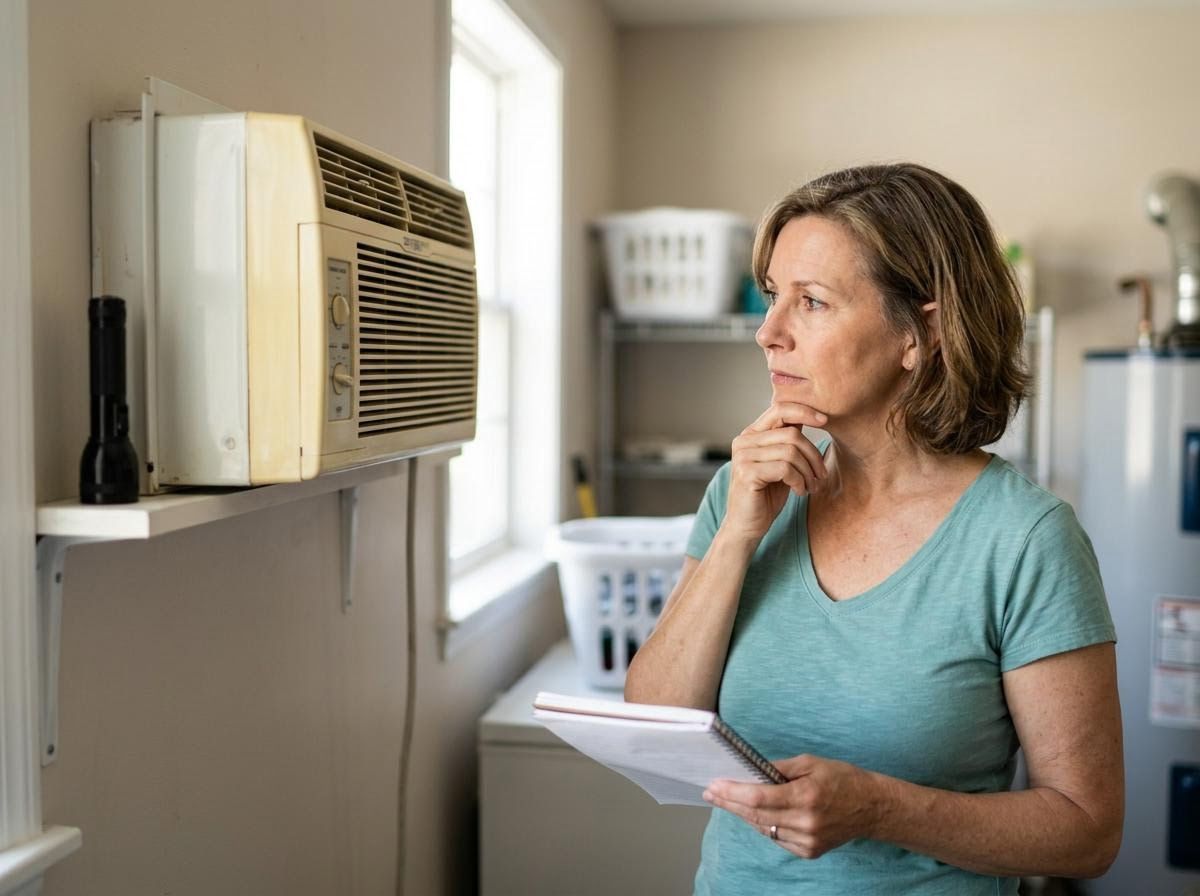
One of the most straightforward indicators that it might be time for an AC system replacement is its age. Most air conditioning systems have a lifespan of 10 to 15 years, though some well-maintained units can last up to 20 years. As units age, their efficiency naturally declines, leading to higher energy consumption and increased utility bills. An older system might also use outdated refrigerants that are becoming more expensive or harder to find, impacting the cost of future repairs. If your unit is approaching or has exceeded this age range, even if it's still running, it's worth considering the long-term benefits of an upgrade.
Frequent Breakdowns and Rising Energy Bills
Are you finding yourself calling for residential HVAC repair more often than not? Frequent breakdowns are a strong signal that your AC system is nearing the end of its life. While a single repair might be a quick fix, a pattern of recurring issues often points to deeper problems that will only continue to escalate. Coupled with this, a significant and unexplained increase in your monthly energy bills, especially during peak cooling seasons, suggests your system is struggling to perform its job efficiently. Pouring money into endless repairs for an inefficient unit can quickly outweigh the cost of a new, energy-efficient AC system replacement.
Diminished Comfort and Indoor Air Quality
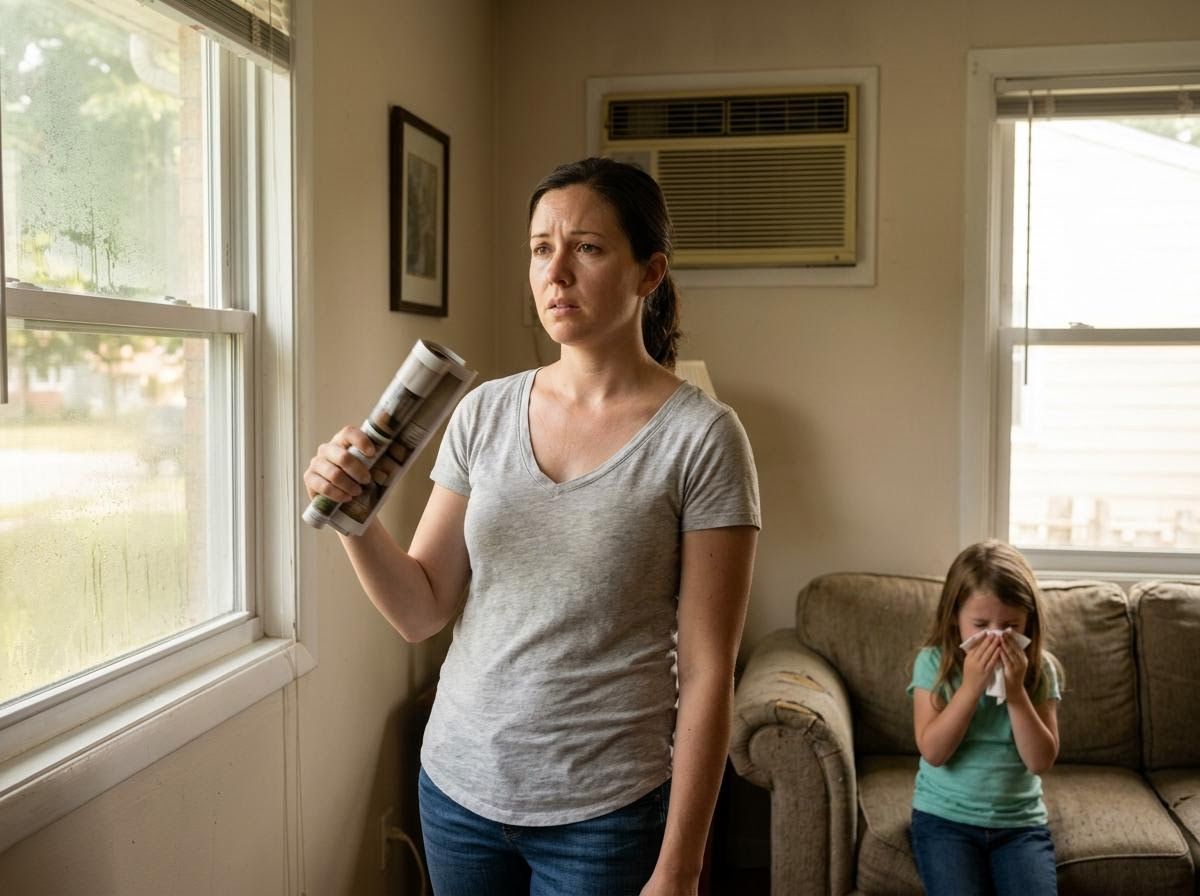
An AC system is designed to provide consistent comfort throughout your home. If you notice uneven cooling, hot spots in certain rooms, or a general inability for your system to maintain your desired temperature, its performance has likely degraded. Beyond temperature, an aging or failing system can also negatively impact your indoor air quality. Dust, allergens, and humidity might become more noticeable, leading to discomfort or even health concerns. Newer AC systems often come with advanced filtration and dehumidification capabilities, offering improved indoor air quality solutions that an older unit simply cannot match, contributing to a healthier home environment.
Opportunity for Enhanced Efficiency and Modern Features
Considering an AC system replacement isn't just about fixing problems; it's also an opportunity to significantly upgrade your home's comfort and efficiency. Modern air conditioning units are far more energy-efficient than models from even a decade ago, which can lead to substantial savings on your utility bills. They also come with smart features like programmable thermostats, zoning capabilities, and quieter operation. Investing in a new system can also improve your home's resale value and provide peace of mind with a manufacturer's warranty. Regular heating and cooling maintenance on your new system will help ensure it operates at peak performance for years to come.
Deciding on an AC system replacement is a significant home investment, but recognizing these key signs can help you make the right choice for your comfort, budget, and peace of mind. If you're experiencing any of these issues, it might be time to explore your options. Chill Out HVAC is here to help you understand the benefits of a modern, efficient AC system. To learn more about assessing your current system or exploring new solutions, we invite you to browse our resources on home comfort and efficiency.